
Baby food pouches can be a convenient option for busy parents, but they come with risks. Many pouches lack essential nutrients like iron and may contain excessive added sugars. Some products also pose risks of heavy metal contamination. It’s important to check labels for quality and age appropriateness. Balancing pouch use with solid foods and promoting diverse textures will help your child’s development. You’ll find more guidance on ensuring your baby’s health and safety ahead.
Key Takeaways
- Many baby food pouches have low iron levels, which can lead to nutritional deficiencies if relied upon exclusively.
- Prolonged use of sugary purees in pouches increases the risk of dental issues and tooth decay.
- Some brands may contain heavy metals like lead, posing significant health risks to infants.
- Always check ingredient labels for added sugars and choose organic options that test for contaminants.
- Consult with a pediatrician for personalized dietary guidance and to ensure balanced nutrition for your child.
Understanding the Risks of Baby Food Pouches
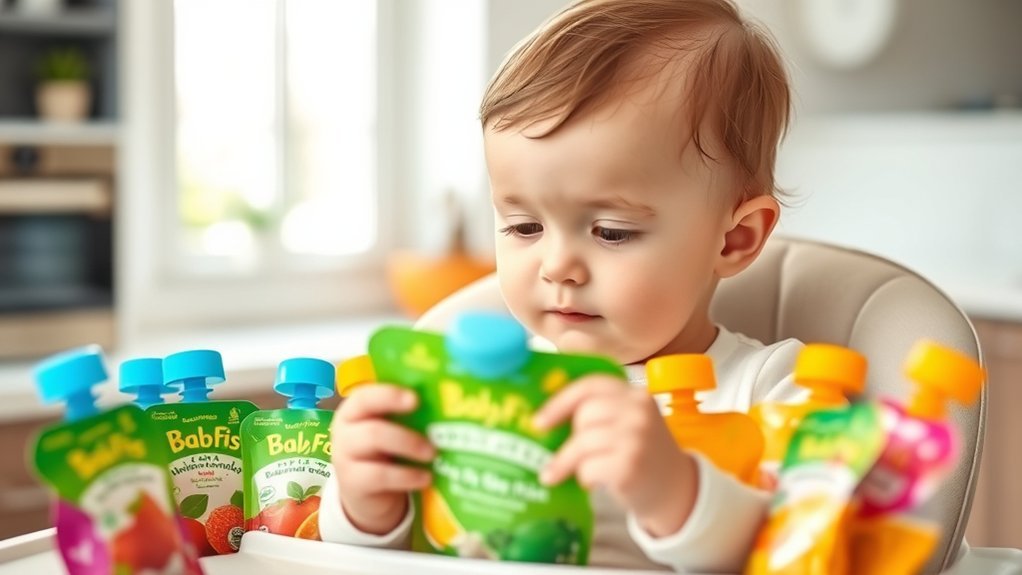
While baby food pouches may seem like a convenient option for busy parents, it’s crucial to understand the potential risks they pose to your child’s health.
Many pouches marketed for infants as young as four months contradict WHO and NHS recommendations, which advocate for exclusive breastfeeding or formula feeding until six months.
Additionally, pouch convenience can compromise nutrient balance; some products contain minimal iron, while babies require much more daily.
Prolonged exposure to sugary purees can also lead to dental issues, increasing the risk of tooth decay.
Ultimately, concerns about heavy metal exposure, like lead in fruit purees, highlight the need for caution.
Awareness of these risks empowers you to make informed, healthier choices for your child.
The Benefits of Baby Food Pouches for Busy Parents
Baby food pouches can be a game-changer for busy parents juggling hectic schedules and the demands of feeding young children. The convenience factor of these pouches allows you to provide nutritious options on-the-go, ensuring your little ones enjoy a balanced diet. Many pouches are packed with a variety of fruits and vegetables, promoting healthy eating habits.
| Benefit | Description |
|---|---|
| On-the-Go Solution | Perfect for outings or travel, no refrigeration needed. |
| Quick Feeding | Easy design allows for rapid meal times. |
| Nutritional Variety | Offers diverse flavors and nutrients in one package. |
| Lightweight & Portable | Ideal for balancing convenience with nutrition. |
| Emergency Snack | Great for unexpected hunger pangs. |
With pouches, you can simplify mealtime without compromising on nutrition.
Key Nutritional Shortcomings in Baby Food Pouches
Not all baby food pouches provide the essential nutrients your child needs for healthy growth. Many options can lead to nutrient deficiencies, impacting their development.
Consider these key shortcomings:
- Low iron levels—like Heinz’s sweet potato, chicken, and veggie pouch with only 0.325mg of iron, while daily needs range from 4.3mg to 7.8mg.
- Reduced fiber content compared to whole foods, affecting digestion and satiety.
- Excessive added sugars, fostering a preference for sweet flavors over natural vegetables.
- Lack of texture, hindering your child’s ability to develop food preferences and sensory skills.
Relying solely on pouches may compromise a balanced diet, so it’s essential to incorporate whole foods for ideal nutrition and growth.
Heavy Metals in Baby Food: What You Need to Know
When it comes to baby food, heavy metals like lead and arsenic can pose serious health risks.
You can reduce your child’s exposure by choosing fresh or frozen fruits instead of high lead fruit purées and by cooking rice with plenty of water to lower arsenic levels.
Staying informed about these sources and making thoughtful dietary choices will help protect your little one’s health.
Sources of Heavy Metals
While you mightn’t think about heavy metals lurking in baby food, their presence is a significant concern for parents. Heavy metals like lead, cadmium, and arsenic can originate from both natural sources and contamination sources during production.
Here’s what you need to know:
- Lead contamination from polluted soil
- Cadmium found in certain vegetables
- Arsenic in rice and rice-based products
- Environmental pollution affecting fruit cultivars
Consumer Reports highlighted that brands like Earth’s Best and Mama Bear have high lead levels, raising red flags for infant safety.
With the FDA proposing a lead limit still deemed too high, it’s essential to minimize exposure. Offering diverse foods and washing fruits and vegetables can help protect your child’s health.
Reducing Toxic Metal Exposure
Understanding the potential risks associated with heavy metals in baby food is significant for protecting your child’s health. Heavy metals like lead and arsenic can impact your child’s development, making it important to find ways to mitigate exposure.
Start by encouraging a varied diet that includes a range of fruits and vegetables, which can help dilute harmful substances. Washing produce thoroughly is also essential.
Be cautious with rice-based cereals, as they may contain higher arsenic levels. Consider alternative feeding methods, like homemade purees, to have better control over ingredients.
Consulting with your pediatrician can provide tailored guidance, helping you navigate food choices effectively. Staying informed through reliable sources empowers you to make safe feeding decisions for your child.
Tips for Picking Safe Baby Food Pouches
Choosing safe baby food pouches is essential for your child’s health and development, so it’s important to be informed about what to look for. Here are some tips to guide your selection:
Choosing safe baby food pouches is crucial for your child’s health; stay informed to make the best selections.
- Read ingredient labels to avoid added sugars and verify nutritional needs are met.
- Look for pouches with organic ingredients and whole fruits and vegetables for better fiber and nutrition.
- Choose brands that test for heavy metals to minimize exposure to harmful contaminants.
- Check age recommendations that align with WHO guidelines to verify appropriate portion sizes.
Why Texture and Variety in Baby Food Matters
As your baby begins to explore solid foods, incorporating a variety of textures and flavors is essential for their development.
Texture exploration plays a key role in enhancing motor skills and hand-eye coordination. These abilities are vital for your child’s overall growth.
Introducing diverse textures not only supports sensory development but also encourages acceptance of different foods. Relying solely on pureed baby food pouches may hinder this process, limiting your child’s exposure to whole foods.
Feeding from a bowl or spoon can foster independence and help your baby learn to self-regulate their eating habits.
Remember, a limited range of textures can lead to aversions to vegetables, which may affect their long-term nutritional diversity.
Embrace variety for a healthier future!
Practical Tips for Incorporating Baby Food Pouches Safely
When using baby food pouches, it’s essential to monitor sugar content to prevent health issues and encourage a taste for whole foods.
Make sure to balance pouch use with a variety of fruits and vegetables to support your child’s nutritional needs.
Monitor Sugar Content
Steering through the world of baby food pouches can be overwhelming, especially with the varying sugar contents. To guarantee your little one stays healthy, keep these tips in mind:
- Read labels for added sugars lurking in the ingredients.
- Opt for pouches with whole fruits and veggies as the main components.
- Practice portion control to avoid overconsumption; some pouches contain multiple servings.
- Be cautious with pouches labeled “no added sugar,” as natural purees can still pack free sugars.
Using sugar alternatives is a smart choice, but moderation is key. Incorporate pouches occasionally while prioritizing whole foods.
Encourage Variety in Diet
To guarantee your baby enjoys a well-rounded diet, it’s important to incorporate a variety of foods, including baby food pouches, into their meals. Offering diverse flavors alongside whole foods like fresh fruits and vegetables promotes balanced nutrition and exposes your baby to different textures.
Limit pouch use to prevent dependency on pureed foods, which can hinder motor skill development. Opt for pouches with lower sugar content and read labels to avoid excessive added sugars that may shape taste preferences. Encourage feeding from a spoon or bowl rather than directly from the pouch, fostering independence in eating.
Incorporate nutrient-rich options like peas, green beans, and butternut squash to complement pouch nutrition and support your baby’s healthy growth.
When to Consult a Pediatrician About Baby Food?
Have you noticed any unusual reactions after introducing baby food pouches to your child’s diet?
It’s important to consult a pediatrician in several situations to guarantee your little one thrives.
Consider reaching out if you observe:
- Signs of allergies, like rashes or swelling
- Difficulty meeting developmental milestones related to eating
- Nutritional concerns, especially with high sugar content
- Uncertainties about specific brands due to heavy metal risks
Pediatrician recommendations can guide you through dietary assessments and help tailor a diet that meets your child’s needs.
Regular check-ins can empower you to navigate this journey, guaranteeing your child’s nutrition and health remain on track, especially if pouches are a frequent part of their diet.
Frequently Asked Questions
Can I Freeze Baby Food Pouches for Later Use?
Yes, you can freeze baby food pouches. Use airtight containers for freezing methods, and label them with dates. For storage tips, make sure they’re fully sealed to prevent freezer burn, keeping your baby’s food fresh and nutritious.
How Long Can Opened Baby Food Pouches Be Stored?
You can store opened baby food pouches in the fridge for up to 48 hours. Always check expiration dates and follow storage tips to guarantee your baby enjoys fresh, nutritious food without compromise.
Are Organic Baby Food Pouches Safer Than Non-Organic?
Organic baby food pouches often boast stricter organic certifications, potentially offering better nutritional benefits compared to non-organic options. However, it’s essential you check labels to verify quality and make informed choices for your little one.
Do Baby Food Pouches Require Refrigeration After Opening?
Yes, baby food pouches need refrigeration after opening. Follow refrigeration guidelines and store them in the fridge for up to 48 hours. These storage tips help keep the food fresh and safe for your little one.
Can Babies Choke on Baby Food Pouches?
Yes, babies can choke on baby food pouches if not supervised. The pouch design allows for easy squeezing, but watch for choking hazards. Always make certain your baby’s ready for the texture and consistency before feeding.
Conclusion
To summarize, choosing baby food pouches can be convenient, but it’s essential to stay informed. Prioritize safety by checking for heavy metals, ensuring nutritional variety, and consulting your pediatrician when needed. Embrace the benefits of convenience while being mindful of potential risks. By balancing ease with awareness, you can confidently support your baby’s nutritional needs. Remember, informed choices lead to healthier outcomes, so keep exploring and selecting wisely for your little one’s journey.