
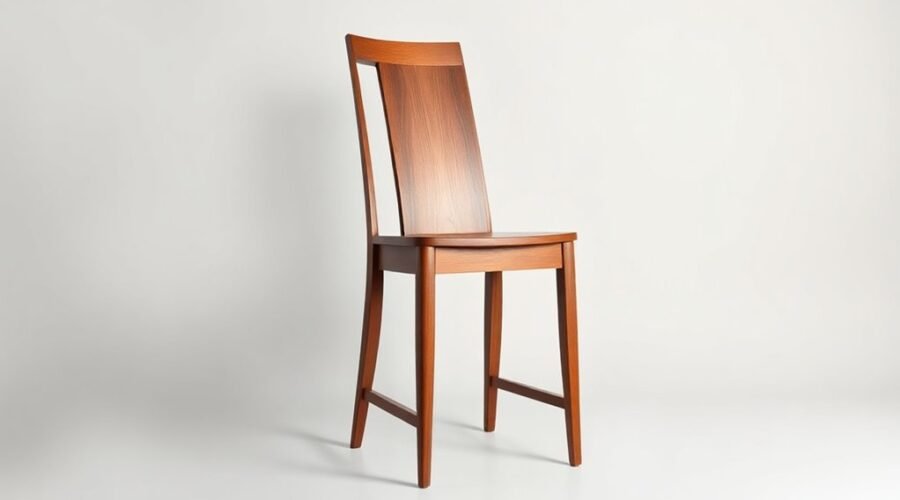
Choosing the right chair height starts with one simple ergonomic rule: leave 10 to 12 inches of legroom between the top of the seat and the underside of your table or counter. That means a standard 28–30″ dining table pairs with a 17–19″ dining chair, a 36″ kitchen island pairs with a 24–26″ counter stool, and a 40–42″ bar pairs with a 28–30″ bar stool.
Quick Answer
Measure from the floor to the underside of your table or counter, then subtract 10–12 inches to find your ideal seat height: 17–19″ for dining chairs (28–30″ tables), 24–26″ for counter stools (36″ counters), 28–30″ for bar stools (40–42″ bars), and 16–21″ adjustable for office chairs.
Key Takeaways
- Seat height is measured from the floor to the sitting surface—never to the top of the backrest.
- Always leave 10–12 inches of clearance between the seat and the underside of the table, counter, or apron.
- Allow at least 24 inches of horizontal width per stool or dining chair (26–30 inches for swivel or arm styles).
- For counter and bar stools, a built-in footrest roughly 16–18 inches below the seat prevents dangling legs and thigh pressure.
Standard Chair Height Chart: Dining, Counter & Bar Stools
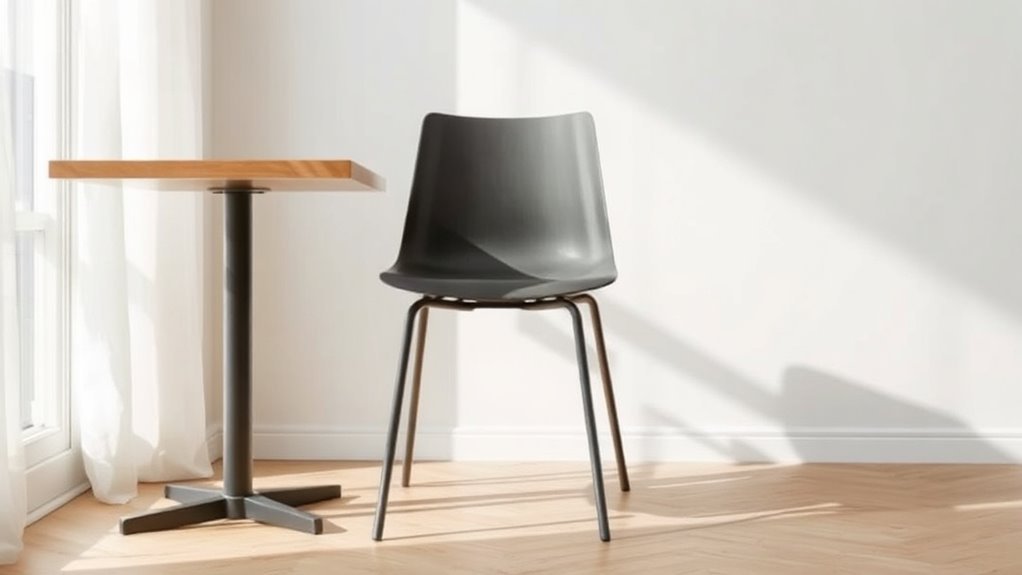
Ordering the wrong stool height is one of the most common furniture mistakes—a bar stool tucked under a 36-inch kitchen island jams your knees against the overhang, while a counter stool at a 42-inch bar leaves you reaching upward. Use this ergonomic sizing chart based on standard furniture dimensions from Dimensions.com and BeSeating’s height guide:
| Chair / Stool Type | Seat Height | Matching Table / Counter Height | Target Clearance |
|---|---|---|---|
| Dining Chair | 17–19 inches (43–48 cm) | 28–30 inches (71–76 cm) | 10–12 inches |
| Counter Stool | 24–26 inches (61–66 cm) | 36 inches (91 cm) | 10–12 inches |
| Bar Stool | 28–30 inches (71–76 cm) | 40–42 inches (102–107 cm) | 10–12 inches |
| Extra-Tall / Spectator Stool | 33–36 inches (84–91 cm) | 44–47 inches (112–119 cm) | 10–12 inches |
| Adjustable Office Chair | 16–21 inches (41–53 cm) | 28–30 inches (standard desk) | Feet flat; elbows near desk level |
If multiple people of different heights share a kitchen island or workspace, a pneumatic adjustable seat—like the model we evaluated in our black minimalist swivel stool review—lets you fine-tune the height within seconds.
How to Measure Chair Height & Clearance Correctly
- Measure the surface first: Hold a tape measure straight from the floor to the top of your table or counter, and also measure to the bottom edge of any decorative apron or support beam.
- Subtract 10 to 12 inches: Use the underside/apron measurement if it hangs lower than the tabletop by more than 2 inches—that gives your true legroom target.
- Measure seat height vertically: Place the chair on a flat floor and measure straight up from the floor to the center of the sitting surface (not along an angled leg).
- Account for cushion compression: Plush upholstered seats sink 1/2 to 1 inch when you sit, so an 18.5-inch cushioned dining chair often sits like a 17.5-inch wooden chair.
- Check armrest and horizontal spacing: Confirm chair arms clear the table apron by at least 1–2 inches so chairs push in neatly, and plan 24 inches of width per standard seat (26–30 inches for swivel or armed stools).
Ergonomic Posture for Desk & Dining Seating
According to OSHA’s workstation chair guidelines and the Canadian Centre for Occupational Health and Safety (CCOHS), a properly fitted chair keeps both feet flat on the floor (or a footrest), thighs roughly parallel to the ground with a 2–3 finger gap behind your knees, and shoulders relaxed with elbows near tabletop height.
- Chair too high: Feet dangle, heels lift, and the front seat edge compresses the backs of your thighs—lower the seat or add a stable footrest.
- Chair too low: Knees rise above hips and you shrug your shoulders to reach the table—raise the seat or switch to a taller stool.
- Counter overhang matters: For kitchen islands, aim for at least 12 inches of counter overhang (15 inches is more comfortable) so knees do not bang into base cabinets.
Pro Tip: Test dining and office chair height while wearing the footwear you normally wear at home or work. Thick-soled sneakers or slippers can change your knee clearance by up to an inch.
A Quick Note on Baby High Chairs
If you searched “chair high” while shopping for an infant feeding seat, safety standards—not just dining table height—come first. Choose a wide-base high chair that complies with U.S. CPSC high-chair requirements and follow American Academy of Pediatrics high-chair safety advice: always buckle the safety harness including the crotch strap, never rely on the tray alone to keep a baby seated, and never leave a child unattended. When your little one is ready for first purees in their seat, check our beginner’s guide to peach baby food.
Safety Warning: Never allow children to climb or stand on tall bar stools or unbuckled high chairs, and keep high chairs positioned well back from tables, counters, and appliance cords where a child can push off and tip the chair.
Frequently Asked Questions
What is the standard clearance between a chair seat and a table or counter?
Aim for 10 to 12 inches (25 to 30 cm) of vertical clearance between the top of the seat and the underside of the table, counter, or apron. Less than 9 inches pinches thighs and knees, while more than 13 inches forces you to lift your shoulders awkwardly.
What height stool do I need for a 36-inch kitchen counter or island?
A standard 36-inch kitchen counter or island pairs with counter-height stools measuring 24 to 26 inches from the floor to the seat. Subtract 10 to 12 inches from your exact counter underside height to confirm the best fit.
What is the difference between a counter stool and a bar stool?
Counter stools have a 24 to 26 inch seat height for 36-inch kitchen counters, while bar stools have a 28 to 30 inch seat height (up to 32 inches on commercial models) for 40 to 42 inch bars and pub tables. Buying bar stools for a 36-inch island leaves too little legroom.
How much width should I leave between dining chairs or bar stools?
Allow about 24 inches of horizontal width per dining chair or backless stool (center to center), and 26 to 30 inches for wider armchairs or swivel stools so guests have comfortable elbow room.
How do I measure chair height on a cushioned seat?
Measure straight down from the top of the seat cushion to a flat floor, then account for 1/2 to 1 inch of foam compression when seated. For tables with a thick apron beneath the tabletop, measure to the bottom of the apron rather than the top surface.
What safety features matter most for a baby high chair?
Choose a stable, wide-base high chair that meets U.S. CPSC safety standards and includes a 3-point or 5-point harness with a passive crotch restraint. Never rely on the tray alone to hold a child in place, and never leave a child unattended.
Conclusion
Getting the right chair height comes down to measuring your table or counter first and preserving 10 to 12 inches of clearance: 17–19″ for dining chairs, 24–26″ for counter stools, and 28–30″ for bar stools. Check apron clearance, footrest placement, and cushion compression before buying so every seat feels comfortable from day one.
Sources
- Dimensions.com: Stool Heights Dimensions & Drawings: Standard counter, bar, and extra-tall stool seat heights.
- BeSeating: Bar Stool Height Guide: 10–12 inch clearance rule and 24-inch spacing guidelines.
- OSHA: Computer Workstations—Chairs: Thigh support, foot support, and seated circulation ergonomics.
- CCOHS: How to Adjust Office Chairs: Knee clearance and workstation alignment.
- U.S. CPSC: High Chairs FAQ: Stability and restraint safety requirements.
- American Academy of Pediatrics: High Chair Safety Tips: Harness use and fall prevention.
