

To reduce arsenic exposure from rice cereal for your baby, rinse the rice thoroughly before cooking. Use the pasta method by boiling rice in six to ten parts of water, then drain excess water to lower arsenic levels. You can also mix rice with other grains like oatmeal or quinoa for a balanced diet. Choose iron-fortified alternatives and consult your pediatrician for tailored dietary advice to guarantee your baby’s health and nutrition needs are met. More insights follow.
Key Takeaways
- Rinse rice thoroughly before cooking to remove about 10% of arsenic contamination.
- Use the pasta cooking method by boiling rice in six to ten parts water, then draining excess water.
- Rinse cooked rice again to further reduce arsenic levels before serving.
- Incorporate alternative grains like oatmeal, quinoa, or barley to diversify your baby’s diet.
- Consult a pediatrician to discuss safe alternatives and dietary guidelines for your baby’s nutrition.
Understanding Arsenic Risks in Rice for Babies
Understanding the risks of arsenic in rice is essential for your baby’s health. Rice absorbs more arsenic from groundwater than any other food crop, making it a significant arsenic source for infants. This inorganic arsenic can lead to serious health implications, including potential links to cancer and developmental issues.
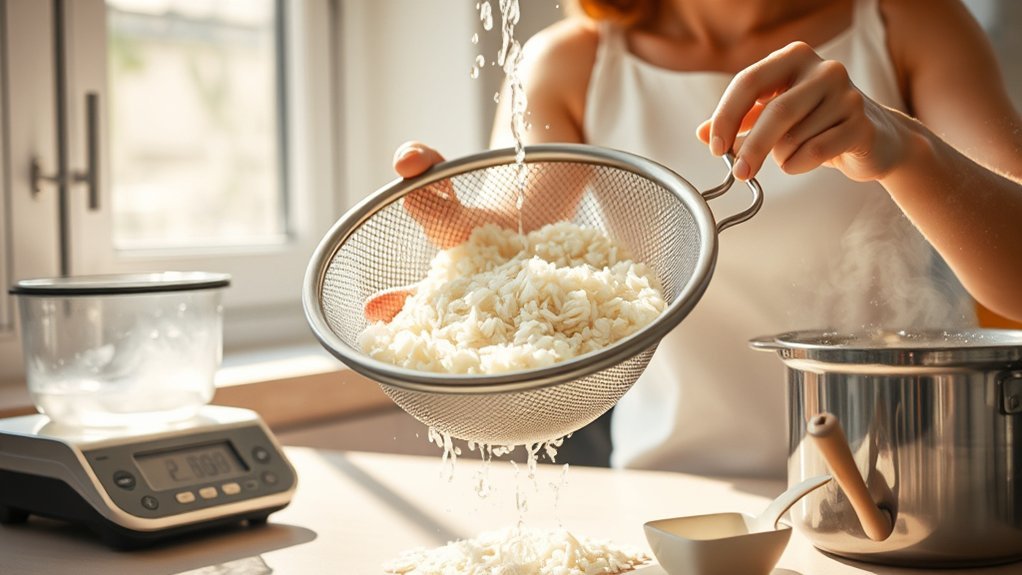
Babies, being particularly vulnerable, require careful dietary choices to minimize exposure. You can help protect your child by cooking rice with excess water, which can reduce arsenic levels by 40% to 60%.
Consider incorporating alternative grains like oatmeal, barley, or multigrain cereals into their diet instead of rice cereal. By prioritizing these options, you empower yourself to make healthier decisions for your baby’s future and well-being.
Choose Alternatives to Reduce Arsenic Exposure in Rice Cereal
What can you do to guarantee your baby stays safe from arsenic in rice cereal? Start by choosing iron-fortified alternatives like oatmeal, barley, or multigrain cereals.
These options not only reduce arsenic exposure but also promote diverse nutrition essential for your baby’s growth. It’s a smart move to minimize frequent rice-based foods in favor of a varied diet, ensuring your little one gets a broad range of nutrients.
Opt for diverse cereals to reduce arsenic exposure while ensuring your baby receives essential nutrients for healthy growth.
Always check ingredient labels on baby cereals and snacks; avoid those containing rice or rice syrup, as they can be high in arsenic.
For milk alternatives, steer clear of rice milk and opt for fortified soy milk or other calcium sources instead. Your baby’s health matters, so make informed choices!
Prepare Rice Cereal to Lower Arsenic Levels
When you prepare rice cereal for your baby, taking steps to lower arsenic levels can make a considerable difference in their health.
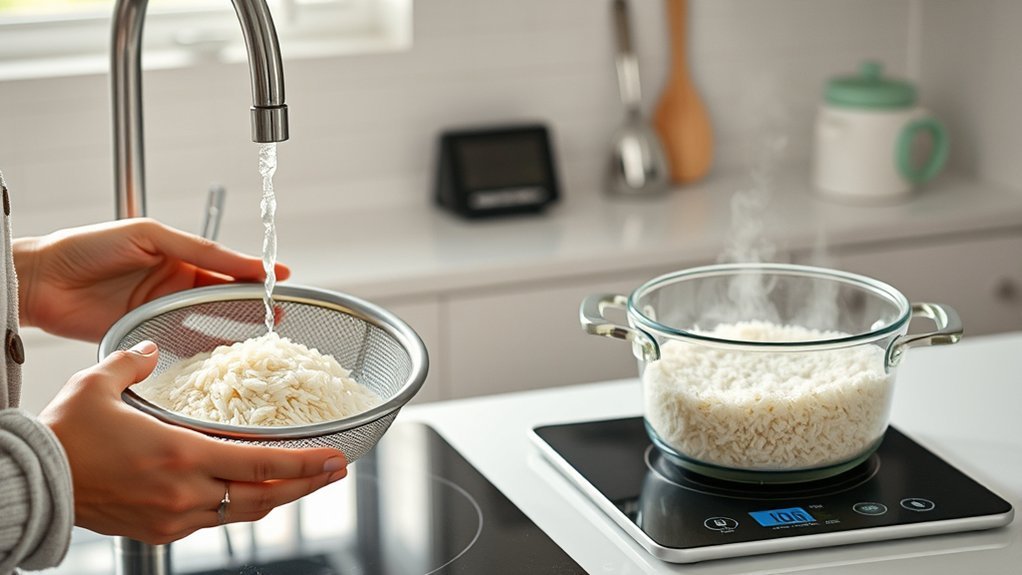
Start with thorough rice rinsing, as this can remove about 10% of arsenic. Next, use the pasta cooking method: boil the rice in six to ten parts of water for every one part of rice. This method can reduce arsenic levels by 40% to 60%.
After boiling, drain the excess water and rinse the cooked rice again to further decrease arsenic concentration.
While these cooking methods considerably help, remember they might also reduce some essential nutrients. For a balanced diet, consider mixing in other grains like oatmeal or quinoa, which are lower in arsenic.
Top Grain Alternatives for Your Baby’s Diet
When it comes to your baby’s diet, consider oatmeal, quinoa, and barley as nutritious alternatives to rice cereal.
Oatmeal is particularly beneficial, packed with iron and easy to prepare, while barley offers fiber and minerals.
Oatmeal-Based Cereals
Oatmeal-based cereals offer a nutritious and safe alternative to rice cereal for your baby, helping to minimize arsenic exposure while providing essential vitamins and minerals.
Packed with oatmeal benefits, these cereals are often fortified with iron, making them a great choice for infants starting solid foods around six months. Oatmeal’s lower arsenic levels compared to rice make it a safer option for regular consumption.
When introducing oatmeal, prepare it with breast milk or formula for added nutrition and guarantee it’s age-appropriate in texture.
Regularly rotating grains like oatmeal in your baby’s diet promotes a varied nutrition profile and further reduces the risk of arsenic exposure, supporting your baby’s healthy growth and development.
Quinoa and Barley Options
As you explore nutritious options for your baby’s diet, consider incorporating quinoa and barley, two excellent grain alternatives that provide essential nutrients without the risk of arsenic exposure.
Quinoa benefits your baby with its gluten-free, protein-rich profile, essential amino acids, and fiber, supporting healthy growth and development.
Meanwhile, barley nutrition shines with its high fiber content and important vitamins B and E, which are critical for your baby’s well-being.
Both grains can easily be cooked with water or breast milk to create wholesome cereals.
Keep an Eye on Your Baby’s Nutrition and Health
While nurturing your baby’s health, it’s crucial to monitor their nutrition closely. A balanced diet featuring a variety of age-appropriate foods helps reduce the risk of arsenic exposure from rice cereals.
Opt for iron-fortified cereals made from oats, barley, or multigrain options. Encourage whole fruits and vegetables instead of fruit juices to enhance nutrition and minimize exposure to heavy metals.
Discuss appropriate vitamin D and iron supplements with your healthcare provider, especially when introducing new foods.
If your baby consumes formula mixed with well water, regularly test it for arsenic, as this can pose a risk.
Consult Pediatricians About Diet and Safety
When it comes to your baby’s diet, consulting with a pediatrician can give you tailored advice on their nutritional needs and safety concerns.
They can recommend safer alternatives to rice cereal and help you understand when to introduce solid foods.
Regular check-ins also guarantee your child’s growth aligns with the latest safety guidelines.
Discuss Nutritional Needs
Consulting with a pediatrician is essential for understanding your baby’s nutritional needs, especially as you navigate the introduction of solid foods like rice cereal.
They can help you align with dietary guidelines and guarantee ideal infant nutrition. Here’s what to discuss during your visits:
- Recommended duration for breastfeeding (at least two years)
- Iron and vitamin D supplementation options
- Safe alternatives to rice cereal (like oatmeal or multigrain cereals)
- Signs of balanced nutrition and growth milestones
- Regular check-ins to track dietary progress and safety
Address Safety Concerns
Before introducing rice cereal into your baby’s diet, it’s crucial to discuss safety concerns with your pediatrician. They can guide you on safety guidelines regarding arsenic exposure and help you explore alternative first foods like oat or multigrain cereals.
It’s also important to ask about appropriate vitamin D and iron supplements to support your baby’s health during this change. Regularly reviewing your baby’s diet with a healthcare professional guarantees a varied intake, reducing dependence on rice cereal.
Additionally, be proactive about environmental toxins—discuss water safety and testing, especially if you use well water. This collaborative approach empowers you to make informed choices that prioritize your baby’s health and well-being.
How to Prepare Alternatives for Safe Consumption
To keep your baby safe from arsenic exposure, consider substituting rice cereal with healthier, iron-fortified alternatives. Here are some great options that provide essential nutrients without the arsenic risk:
Consider replacing rice cereal with iron-fortified alternatives to protect your baby from arsenic exposure.
- Oatmeal
- Barley
- Quinoa
- Millet
- Multigrain cereals
These alternative grains are nutritious and safe for your little one.
When preparing these options, seek out safe recipes that incorporate these grains into your baby’s diet. Always check ingredient labels for rice-based products in snacks and cereals, ensuring they meet safety standards.
Frequently Asked Questions
Are All Rice Cereals Equally High in Arsenic Levels?
Not all rice cereals have the same arsenic levels. Different rice varieties absorb arsenic differently, so choosing specific options can help reduce exposure. Always check labels and opt for lower-arsenic varieties for your child’s safety.
How Often Should I Give Rice Cereal to My Baby?
“Moderation is key.” You should introduce rice cereal sparingly in your baby’s feeding schedule. Aim for two to three times a week, ensuring a balanced diet that supports ideal baby nutrition and development.
What Brands of Rice Cereal Are Safest for Babies?
Brands like Happy Baby and Earth’s Best offer organic rice cereal with lower arsenic levels. Consider alternative cereals like oatmeal or barley too, as they provide safe, nutritious options for your baby’s diet.
Can Cooking Methods Reduce Arsenic in Other Grains?
Yes, cooking techniques like rinsing and boiling can reduce arsenic levels in grains. Consider grain alternatives such as quinoa or oats, which generally have lower arsenic content, ensuring a safer, nutritious option for your baby.
Is It Safe to Mix Rice Cereal With Other Foods?
You can mix rice cereal with other foods safely! Variety’s the spice of life, so consider nutritious mixing options like fruits or vegetables. These food combinations can enhance flavor and provide essential nutrients for your baby.
Conclusion
By being proactive in protecting your baby from arsenic, you guarantee their diet is both delicious and safe. Prioritize proper preparation methods and explore appealing alternatives, like oats and quinoa, for a nutritious, well-rounded meal plan. Stay savvy about your little one’s health, and don’t hesitate to seek guidance from pediatricians. With a thoughtful approach, you can confidently cultivate a caring, safe culinary environment for your child, promoting their growth and well-being every step of the way.