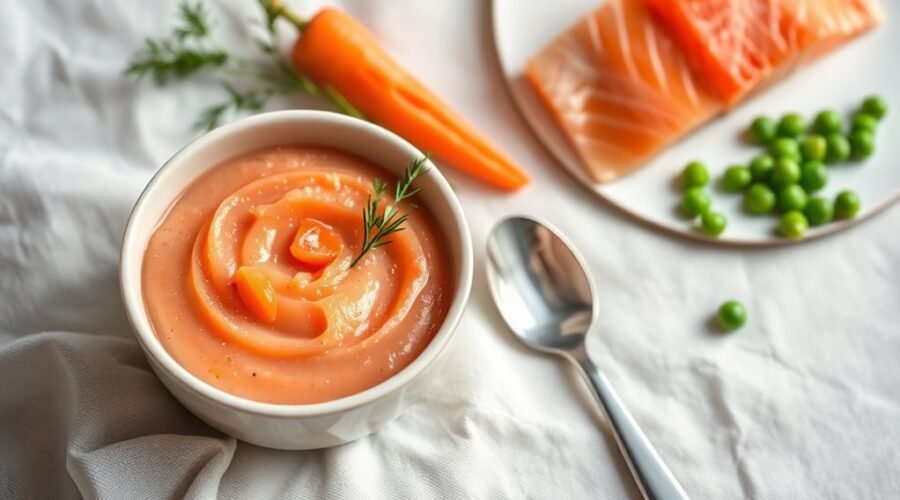
Yes, you can introduce salmon baby food as soon as your baby is ready for solids, typically around 6 months of age. Salmon is on the FDA and EPA “Best Choices” list for low-mercury seafood and provides omega-3 DHA, vitamin D, vitamin B12, and protein for brain and eye development. Cook it to an internal temperature of 145°F (63°C), check carefully for every pin bone, and serve it in an age-appropriate texture.
Quick Answer
Babies can eat fully cooked, deboned salmon around 6 months once they show readiness for solids. Choose low-mercury fresh, frozen, or low-sodium canned salmon, cook to 145°F (63°C), remove all skin and pin bones, and serve as a smooth puree or soft flakes. Introduce a small amount at home first because fish is a major food allergen.
When Can Babies Eat Salmon Baby Food?
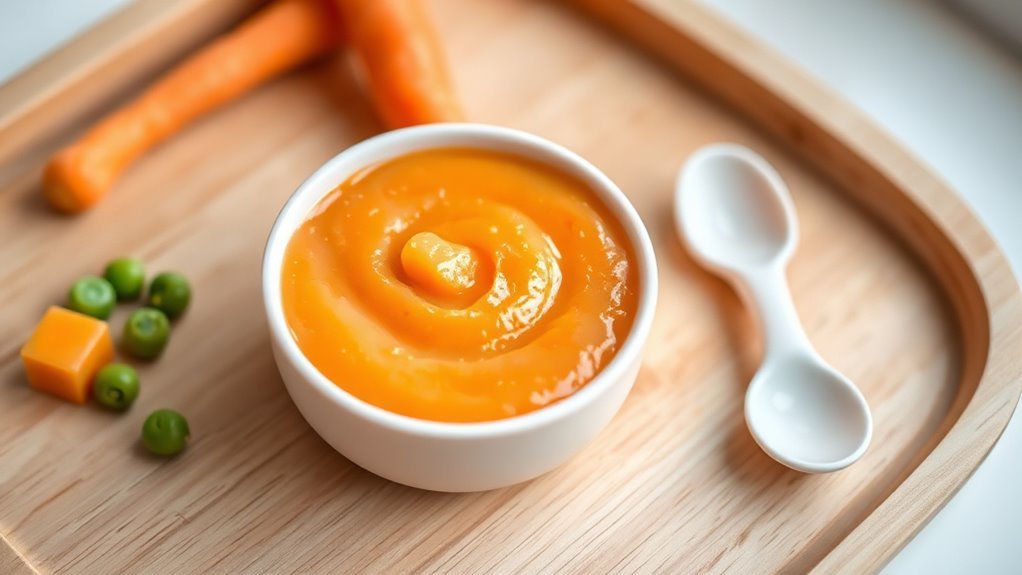
Most babies can start eating salmon around 6 months of age, once they show developmental readiness for solid foods. According to the American Academy of Pediatrics (AAP), readiness signs include holding the head steady, sitting with minimal support, showing interest in food, and moving food to the back of the mouth instead of pushing it out. For a fuller look at readiness cues, see our guide on why babies start solids around 6 months.
You do not need to delay fish until after your baby’s first birthday. Current pediatric allergy guidance supports introducing common food allergens, including finned fish, early once solids begin. If your baby has severe eczema or a previously diagnosed food allergy, check with your pediatrician before offering fish.
Why Salmon Is a Smart First Fish for Babies
The FDA lists salmon among its lowest-mercury “Best Choices” for babies and young children, making it safer than high-mercury species such as swordfish, shark, king mackerel, and bigeye tuna. Both wild-caught (such as sockeye, pink, or chum) and responsibly sourced farmed Atlantic salmon are low in mercury.
- Omega-3 fatty acids (DHA and EPA): Support brain, nerve, and visual development during rapid infant growth.
- Vitamin D: Salmon is one of the few foods naturally rich in vitamin D, which supports bone health.
- Vitamin B12 and protein: Help build red blood cells, support neurological development, and fuel steady growth.
- Iron and zinc: Provide absorbable minerals that complement plant-based foods and fortified cereals.
To round out your baby’s early menu, pair iron- and protein-rich foods like salmon with vitamin C-rich produce—learn more in our guide on why iron is important in baby food.
How to Choose and Prepare Salmon Baby Food Safely
Whether you buy fresh fillets, plain frozen fillets, or no-salt-added canned salmon, safe handling and thorough cooking are essential. Avoid raw salmon, sushi, lox, smoked salmon, and pre-seasoned fillets that contain added salt, honey, or heavy sauces.
- Check freshness: Fresh salmon should have firm, moist flesh and a mild ocean scent, never a sour or ammonia-like odor. Thaw frozen fillets overnight in the refrigerator, not on the counter.
- Cook to 145°F (63°C): Bake, steam, or poach the salmon without added salt until a food thermometer reads 145°F in the thickest part and the flesh turns opaque and flakes easily with a fork, per FoodSafety.gov safe temperature guidelines.
- Remove skin and every pin bone: Let the fish cool slightly, peel away the skin, and flake the flesh apart between clean fingertips under bright light. Pull out every tiny pin bone with clean fingers or tweezers—even fillets labeled “boneless” can hide stray bones.
- Adjust the texture: For early purees, blend or mash the cooked salmon with breast milk, prepared formula, or plain water until smooth. For older babies, serve soft flakes or moist patties.
Safety Warning: Always check every bite of salmon by hand for pin bones before serving. Never offer raw, undercooked, or smoked salmon to infants, and always supervise your baby seated upright in a high chair.
Salmon Texture and Serving Guide by Age
Start with 1 to 2 teaspoons during the first few introductions and adjust the texture as your baby’s oral motor and grasping skills develop.
| Age Stage | Safe Texture | Serving Tip |
|---|---|---|
| Around 6 months | Smooth puree or finely mashed moist flakes | Thin with breast milk, formula, or water; offer 1–2 teaspoons first. |
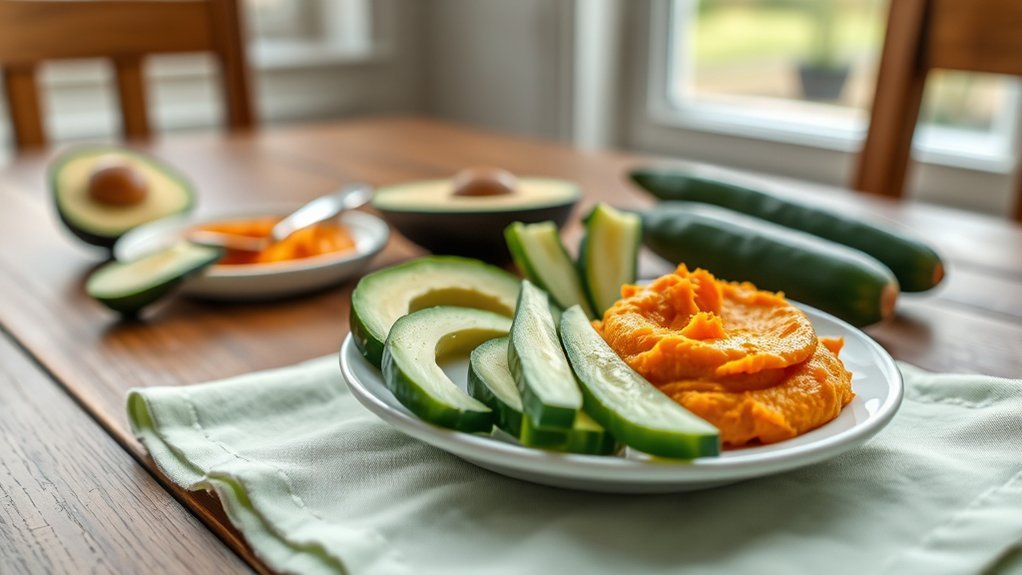
| 8–9 months | Thicker mash or soft, pea-sized flakes | Encourages pincer grasp; pair with mashed avocado or sweet potato. |
| 10–12+ months | Tender bite-sized flakes or soft salmon cakes | Aim for 1–2 servings per week (about 1 oz per serving for ages 1–3). |
Once salmon is a familiar food, you can serve it alongside simple fruit or vegetable purees—our peach baby food beginner’s guide walks through soft fruit textures that complement savory meals.
Allergen Watch and Safe Storage
Finned fish is one of the nine major food allergens. Offer a small taste of plain salmon early in the day on its own, without introducing other new allergens at the same meal, so any reaction is easy to identify. Watch for hives, swelling, repeated vomiting, coughing, wheezing, or sudden lethargy during the first two hours, and seek emergency care for breathing difficulty or facial swelling.
- Refrigerator storage: Refrigerate untouched cooked salmon puree within 2 hours and use within 1 to 2 days (per FoodSafety.gov).
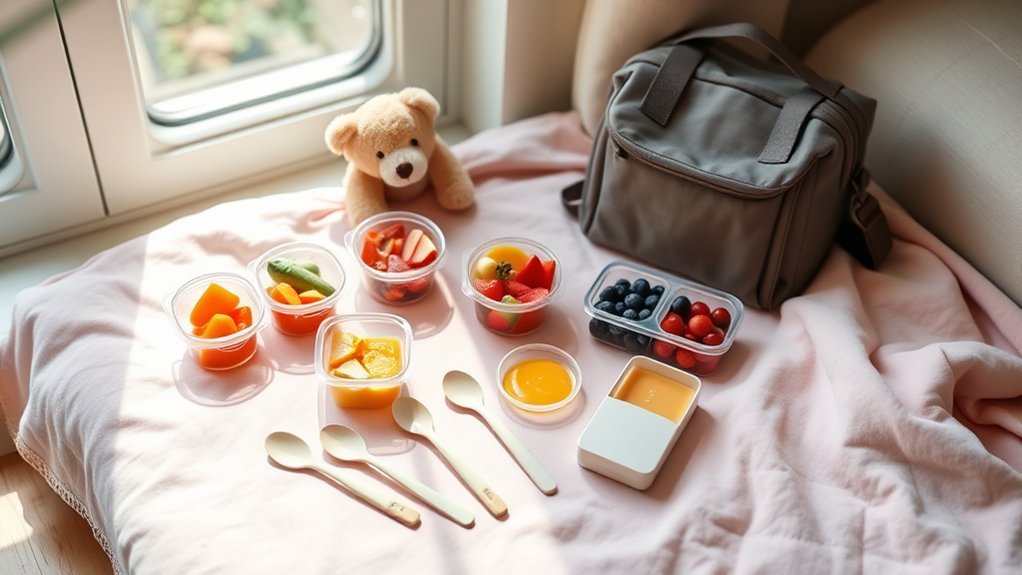
- Freezer storage: Freeze clean portions in airtight containers or silicone trays for up to 1 to 2 months.
- Leftover rule: Discard any salmon left in a bowl your baby ate from, since saliva introduces bacteria.
Frequently Asked Questions
Can Salmon Baby Food Be Frozen for Later Use?
Yes. Cool cooked salmon puree quickly, portion it into clean airtight containers or silicone trays, label with the date, and freeze for up to 1 to 2 months per FoodSafety.gov guidelines. Thaw overnight in the refrigerator, reheat until steaming hot throughout, and cool to a safe temperature before serving.
How Do I Tell if My Baby Is Allergic to Salmon?
Watch for hives, skin flushing, swelling of the lips or face, repeated vomiting, coughing, wheezing, or unusual lethargy within minutes to 2 hours of eating. Call emergency services immediately for breathing trouble or severe swelling. For mild symptoms, stop serving salmon and consult your pediatrician.
Can I Mix Salmon With Other Baby-Friendly Foods?
Yes. Once your baby has tried salmon on its own without a reaction, you can blend or mash it with sweet potato, avocado, peas, plain yogurt, or iron-fortified infant oatmeal. Mixing salmon with softer foods can also improve texture and help early eaters accept its flavor.
Is Canned Salmon Safe for Homemade Baby Food?
Yes, plain canned salmon packed in water with no added salt or low sodium can be a convenient option. Drain and rinse it briefly to reduce sodium, remove any skin, and carefully crush or remove all bones before mashing or flaking it for your baby.
How Often Should Babies Eat Salmon Each Week?
FDA and EPA seafood guidance recommends 1 to 2 servings of low-mercury fish such as salmon per week once solids are established. A typical toddler serving for ages 1 to 3 is about 1 ounce, while younger babies start with 1 to 2 teaspoons and gradually increase based on appetite.
Can Babies Eat Raw or Smoked Salmon?
No. Raw salmon carries foodborne illness risks, and smoked or cured salmon is typically high in sodium and may not be fully cooked to 145°F. Always serve babies fresh, frozen, or low-sodium canned salmon that is fully cooked.
Conclusion
Salmon baby food is a nutrient-dense, low-mercury choice that fits comfortably into early solid feeding around 6 months. Cook every fillet to 145°F, inspect carefully for pin bones, start with a small plain portion to monitor for fish allergy, and follow safe refrigeration and freezer timelines.
Sources
- FDA: Healthy Food Choices for Your Baby Aged 6–12 Months: Low-mercury seafood guidance including salmon.
- American Academy of Pediatrics: Starting Solid Foods: Readiness cues and early food introduction.
- FoodSafety.gov: Safe Minimum Internal Temperatures: 145°F safe cooking temperature for finfish.
- FoodSafety.gov: Food Safety for Children Under Five: Storage timelines for homemade baby food.