Can dogs eat baby food? Yes—healthy dogs can eat small amounts of plain, single-ingredient baby food such as chicken, turkey, pumpkin, carrots, or sweet potato, as long as you check the label first. Veterinarians and the American Kennel Club (AKC) warn that many savory baby food jars contain hidden onion powder, garlic powder, xylitol (birch sugar), or excess sodium, which can be toxic or harmful to dogs.
Quick Answer
Plain meat and vegetable baby foods (like Stage 1 chicken, turkey, beef, pumpkin, or sweet potato) are generally safe for dogs as an occasional topper or short-term veterinary-approved aid. Reject any jar containing onion or garlic powder, chives, xylitol, raisins/grapes, or added salt, and keep all treats under 10% of daily calories.
Can Dogs Eat Baby Food Safely?
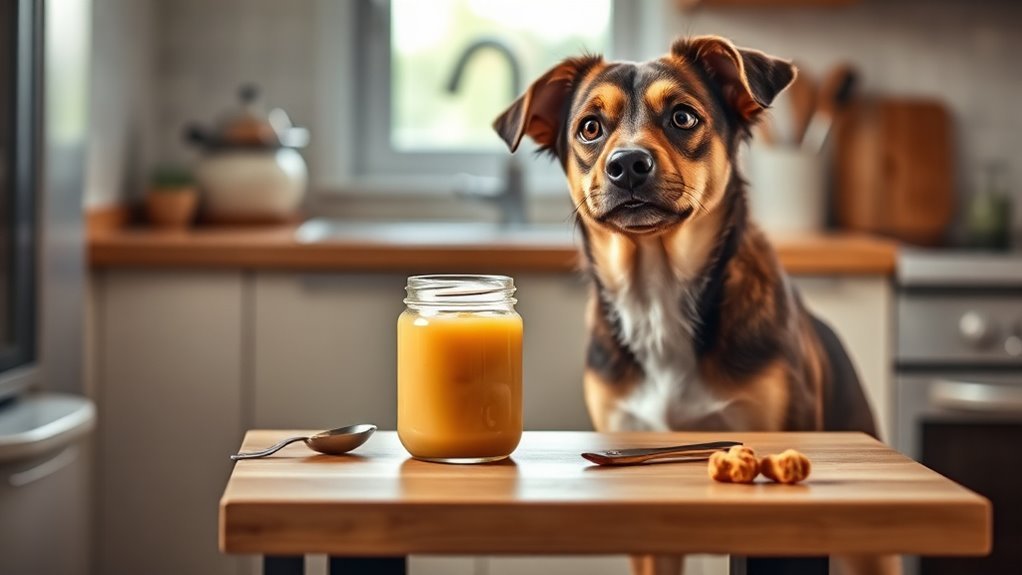
Plain baby food can be useful as an occasional meal topper, pill pocket, or short-term feeding aid for a dog recovering from dental work or mild stomach upset. Its smooth texture makes it easy to lick and swallow.
However, baby food is designed for human infants and is not nutritionally complete for dogs. It lacks the proper balance of protein, fat, calcium, and micronutrients required for canine health, so complete and balanced dog food should always remain the foundation of your dog’s diet. Never use baby food to delay veterinary care when a dog refuses to eat.
Safe vs. Toxic Baby Food Ingredients for Dogs
Always read the full ingredient panel—never rely on the front flavor label alone. Even savory jars labeled “chicken dinner” or “vegetable medley” can include seasonings or broths made with onion or garlic powder, which the AKC notes are more potent than fresh onions.
| Category | Ingredients | Safety Guidance |
|---|---|---|
| Generally Safe (Plain) | Plain chicken, turkey, lean beef, pumpkin, sweet potato, carrots, peas, plain apple puree (no seeds) | Choose single-ingredient purees (water or cornstarch thickener is usually fine in tiny amounts). |
| Toxic — Never Feed | Onion, onion powder, garlic, garlic powder, chives, leeks, xylitol (birch sugar), grapes/raisins | Alliums damage red blood cells (anemia); xylitol causes rapid hypoglycemia and liver failure. |
| Avoid / Limit | Excess sodium (added salt), added sugar, heavy dairy, fatty gravies or sauces | Can cause thirst, digestive upset, lactose diarrhea, or trigger pancreatitis in sensitive dogs. |
Just as parents review labels to see why added salt is avoided in baby food, dog owners should stick to unsalted, single-ingredient jars. For broader label-checking tips on infant purees, see our guide on which baby food is safe.
Emergency Warning: Xylitol is life-threatening to dogs—the FDA warns symptoms can start within 20 minutes. Onion and garlic poisoning may appear hours or days later as weakness or pale gums. If your dog eats a toxic ingredient, call your vet, the ASPCA Animal Poison Control Center (888-426-4435), or Pet Poison Helpline (855-764-7661) immediately.
How Much Baby Food Can Dogs Have?
The World Small Animal Veterinary Association (WSAVA) recommends keeping all treats and food toppers combined under 10% of a dog’s daily calories. Because meat purees are more calorie-dense than vegetable purees, check the calories per jar on the label.
| Dog’s Ideal Weight | Max Daily Treat Calories (All Extras Combined) |
|---|---|
| 2 kg (4.4 lb) | 14 calories |
| 5 kg (11 lb) | ~28 calories |
| 10 kg (22 lb) | 47 calories |
| 20 kg (44 lb) | 79 calories |
| 30 kg (66 lb) | 108 calories |
Dogs with pancreatitis, diabetes, kidney disease, or food allergies—and puppies on growth diets—need veterinary approval before trying any new topper. According to VCA Animal Hospitals, a pet that refuses food for more than 12 hours (or a diabetic pet skipping even one meal) should be evaluated by a veterinarian.
How to Pick, Serve, and Store Baby Food Safely
- Inspect every label: Choose plain Stage 1 meat or vegetable jars with zero onion, garlic, chives, xylitol, or added salt.
- Use a clean spoon: Scoop out only the serving you need into your dog’s bowl—never feed directly from the jar or return leftovers to the jar.
- Refrigerate promptly and check dates: Keep opened jars refrigerated according to package directions and discard expired or off-smelling food; see our guide on when baby food expires for storage basics.
- Watch for reactions: Introduce one new flavor at a time and stop immediately if vomiting, diarrhea, or itching develops.
If you want a safer everyday alternative, plain boiled boneless skinless chicken breast, plain canned pumpkin (not pie filling), steamed carrots, or complete wet dog food are simple options with fewer hidden-ingredient risks.
Frequently Asked Questions
Can Puppies Eat Baby Food?
Only in very small amounts and with veterinary guidance. Puppies require complete, balanced growth diets, and baby food cannot replace those nutrients. If a young puppy is vomiting or refusing meals, contact a veterinarian promptly rather than relying on baby food.
Is Baby Food Okay for Senior Dogs?
Yes, plain meat or vegetable baby food can serve as an occasional topper for some senior dogs. While its soft texture may appeal to dogs with sore mouths, dental pain or sudden appetite loss still needs a veterinary exam. Always check labels for onion powder, garlic powder, xylitol, and excess sodium.
Can Baby Food Replace Regular Dog Meals?
No. Baby food is formulated for human infants and lacks the balanced calcium, fat, vitamins, and minerals dogs need. If illness or dental trouble prevents eating kibble, ask your veterinarian about a complete canned or therapeutic dog food.
Should Baby Food Be Warmed Before Serving to a Dog?
Warming is optional. If your dog prefers slightly warm food, heat a small spoonful in a separate dish, stir well, and test the temperature with your finger to avoid burns. Never serve spoiled food or jars left unrefrigerated past label guidelines.
Can Baby Food Help Dogs Take Medicine?
Yes, a small spoonful of plain, dog-safe meat baby food can help hide a pill. Confirm with your veterinarian that the medication can be given with food, watch your dog swallow the full dose, and never crush tablets without approval.
Conclusion
Dogs can eat small amounts of plain baby food made from dog-safe meats or vegetables, provided you verify the label is free of onion powder, garlic powder, xylitol, and excess sodium. Keep portions within the 10% daily treat calorie limit, use it only as an occasional topper or vet-approved aid, and contact your veterinarian promptly if appetite loss or poisoning symptoms occur.
Sources
- American Kennel Club (AKC): Can Dogs Eat Onions?: Hidden onion and garlic powders in baby food and toxicity risks.
- ASPCA: People Foods to Avoid Feeding Your Pets: Allium toxicity, excess sodium, and dairy risks.
- FDA: Paws Off! Xylitol Is Toxic to Dogs: Rapid onset of xylitol poisoning and emergency action.
- WSAVA: Feeding Treats to Your Dog: 10% daily treat calorie limit by body weight.
- VCA Animal Hospitals: Loss of Appetite: When appetite loss requires veterinary evaluation.
- Pet Poison Helpline: Emergency poisoning hotline and guidance.