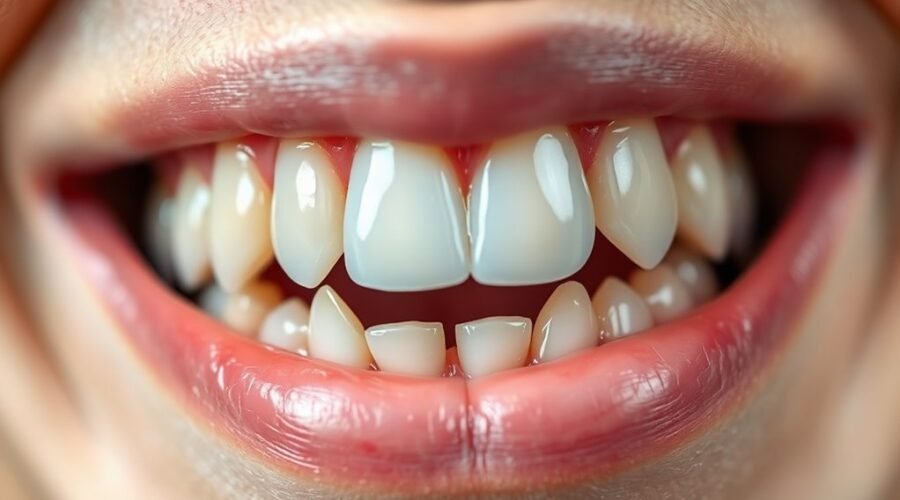
Cuspid teeth—also known as canine teeth or eye teeth—are the four pointed teeth sitting at the corners of your smile, with two in the upper jaw and two in the lower jaw. Positioned between your lateral incisors and first premolars, they have the longest roots of any human teeth, helping you grip and tear food, maintain your dental arch, and guide jaw movement.
Quick Answer
You have four cuspid (canine) teeth—the third teeth from the center on each side of your upper and lower jaws. Baby canines usually erupt at 16–20 months, while permanent canines emerge around ages 9–11 (lower) and 11–12 (upper). Their pointed crowns and long roots support tearing food, arch stability, and bite guidance.
What Are Cuspid Teeth and Where Are They Located?
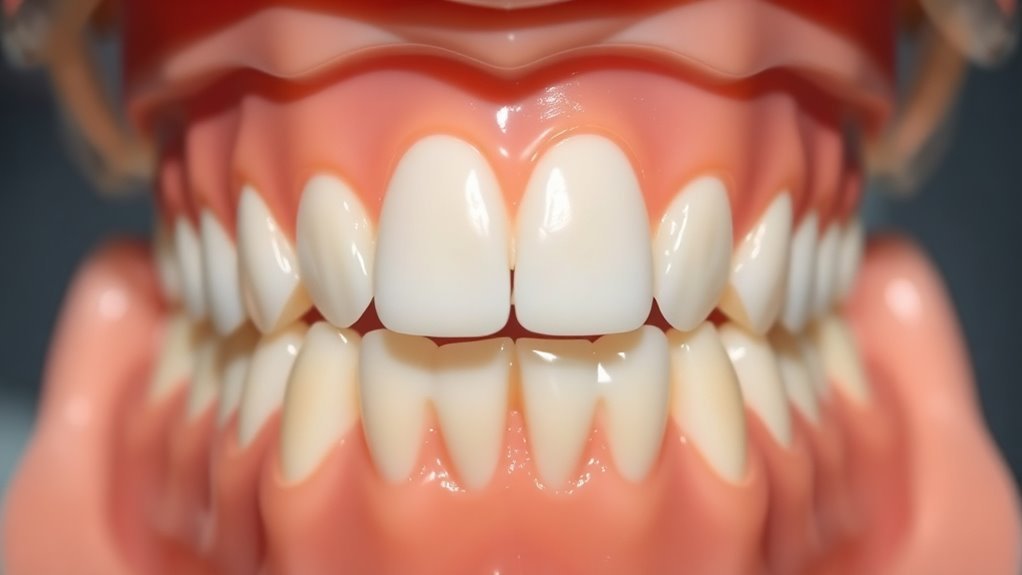
Cuspid teeth sit between your lateral incisors and first premolars in a permanent adult mouth (or between lateral incisors and first baby molars in primary teeth). To see how they are numbered alongside every other tooth in your mouth, check our beginner’s teeth chart guide.
According to the Cleveland Clinic, each canine features a single pointed tip (cusp) designed to grip and tear food. The MSD Manual notes that canines possess the longest, strongest roots in the human dentition, anchoring them securely at the corners of the dental arch.
When Do Baby and Permanent Cuspid Teeth Erupt?
Primary canines typically appear during a child’s second year, while permanent canines emerge in late childhood, with lower canines usually arriving before upper ones. Typical ranges from the American Academy of Pediatric Dentistry (AAPD) are shown below:
| Tooth Type | Typical Eruption Age |
|---|---|
| Upper baby canines | 16–20 months |
| Lower baby canines | 16–20 months |
| Lower permanent canines | 9–11 years |
| Upper permanent canines | 11–12 years |
If an upper permanent canine stays trapped beneath the gums (an impacted canine), it can press on neighboring roots. Cambridge University Hospitals notes that dentists monitor delayed canines with X-rays and may use orthodontics or surgical exposure to guide them into place.
Cuspid Teeth vs. Incisors and Premolars
Your canines form the bridge between front cutting teeth and grinding back teeth (premolars and molars). In some people, canines also contact during side-to-side jaw movements (canine guidance), while others share contact across several teeth (group function)—a peer-reviewed review on PubMed notes both patterns can be healthy when your bite is stable and free of excessive wear.
| Feature | Incisors | Canines (Cuspids) | Premolars |
|---|---|---|---|
| Adult count | 8 | 4 | 8 |
| Crown shape | Thin cutting edge | Single pointed cusp | Broader chewing surface |
| Primary job | Cutting food | Gripping and tearing | Crushing and grinding |
Common Cuspid Tooth Problems and Daily Care
Even with deep roots, canines can experience enamel wear from grinding, chips from biting hard objects, cavities, gum recession, or crowding. Follow ADA home oral care recommendations: brush twice daily for two minutes with fluoride toothpaste and a soft-bristled brush (and keep your brush hygienic with our guide on how to clean an electric toothbrush), floss daily, avoid chewing ice, and ask about a night guard if you grind.
For chipped or worn canines, dentists may recommend bonding, orthodontic alignment, crowns, or—if a permanent canine cannot be saved—a dental implant or bridge.
Urgent Care Warning: Severe throbbing pain, facial swelling, fever, or trouble swallowing or breathing can signal a spreading dental abscess. Seek urgent dental or emergency medical care immediately per NHS dental abscess guidance.
Frequently Asked Questions
When Do Cuspid Teeth Usually Erupt in Children?
Baby cuspid teeth usually erupt around 16 to 20 months in both jaws. Permanent lower canines typically erupt at ages 9 to 11, while upper permanent canines usually erupt at ages 11 to 12. These are typical ranges—if a permanent canine seems delayed, a dentist can check spacing with X-rays.
Are Cuspid Teeth More Common in the Upper or Lower Jaw?
They are equal in both jaws. A typical adult has two upper (maxillary) canines and two lower (mandibular) canines, for four total. Upper canines often look more prominent at the corners of your smile, but both jaws have the same count.
Can Cuspid Teeth Be Replaced With Dental Implants?
Yes, a missing permanent canine can often be replaced with a dental implant and crown, or sometimes a bridge. Your dentist evaluates jawbone volume, gum health, spacing, and bite forces before recommending the best option.
Do Cuspid Teeth Change Shape With Age?
Yes. Canine tips can gradually flatten or shorten over decades of chewing, especially if you grind or clench your teeth (bruxism). Rapid or uneven wear deserves a dental exam to protect enamel and prevent sensitivity.
How Are Cuspid Teeth Cleaned Properly at Home?
Brush gently for two minutes twice daily with fluoride toothpaste and a soft-bristled toothbrush angled toward the gumline, cleaning both outer and inner surfaces. Floss or use an interdental cleaner between teeth once daily.
What If a Permanent Canine Tooth Does Not Come In?
A permanent canine trapped beneath the gum is called an impacted canine. A dentist or orthodontist uses an exam and X-rays to locate it and may recommend creating space with braces or surgically exposing the tooth to guide it into alignment.
Conclusion
Your four cuspid teeth anchor the corners of your smile, help tear firmer foods, and support a balanced bite. Daily fluoride brushing, interdental cleaning, and routine dental checkups protect their enamel and long roots—and help catch grinding wear or impacted permanent canines early.
Sources
- Cleveland Clinic: Teeth Anatomy, Types, Function and Care: Canine anatomy and chewing role.
- MSD Manual: Dental Anatomy and Development: Canine root structure and support.
- AAPD: Dental Growth and Development: Primary and permanent canine eruption ages.
- PubMed: Canine Protected Occlusion: Bite guidance and group function patterns.
- Cambridge University Hospitals: Impacted Upper Canine: Risks and orthodontic treatment.
- ADA: Home Oral Care: Daily brushing and interdental cleaning.
- ADA MouthHealthy: Dental Implants: Replacement considerations for missing teeth.
- NHS: Dental Abscess: Emergency infection warning signs.