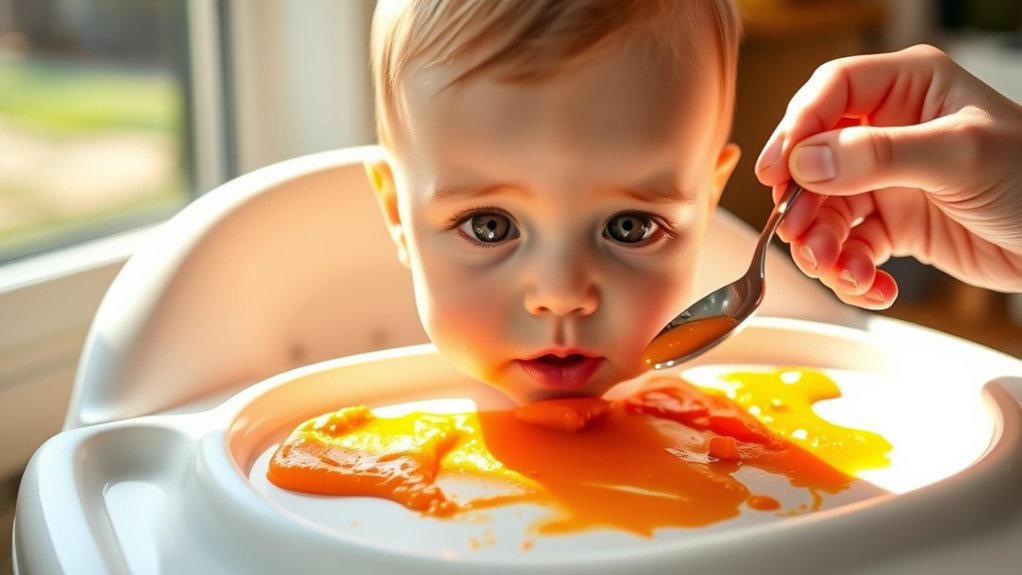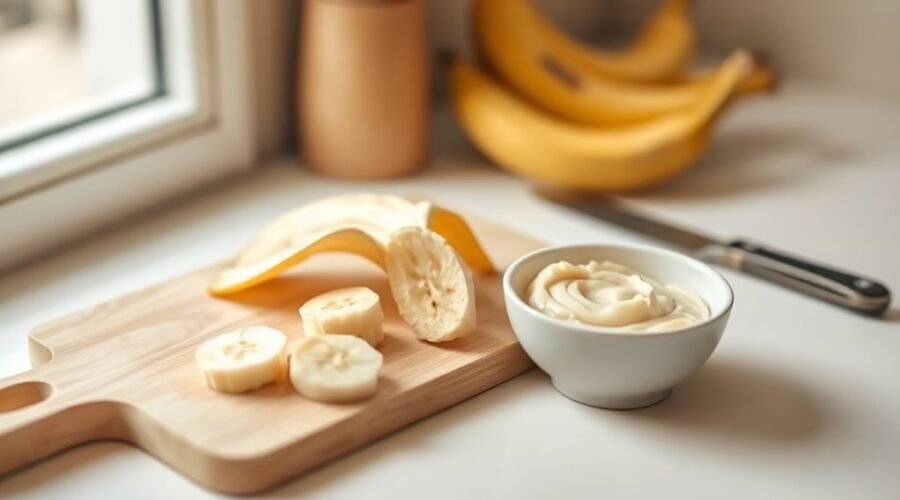
Knowing how to make banana baby food takes under five minutes and requires no cooking: rinse and peel a ripe, speckled banana, mash it smoothly with a clean fork, and thin it with a teaspoon of breast milk, prepared infant formula, or safe water if needed. Offer it once your baby is ready for solids around 6 months, advance the texture as chewing skills grow, and refrigerate untouched portions for up to 1 to 2 days.
Quick Answer
Rinse a ripe yellow-and-speckled banana under running water, peel it, and mash with a clean fork until smooth. Thin with breast milk, formula, or water to a soft, spoonable consistency for beginners (6 months+), and discard any leftover food touched by your baby’s spoon.
At a Glance
| Prep Time & Cooking | 3–5 minutes; no cooking required |
| Starting Age (AAP / CDC) | Around 6 months with developmental readiness signs |
| Safe Storage | 1–2 days refrigerated (≤40°F / 4°C); 1–2 months frozen |
When Is Your Baby Ready for Banana?
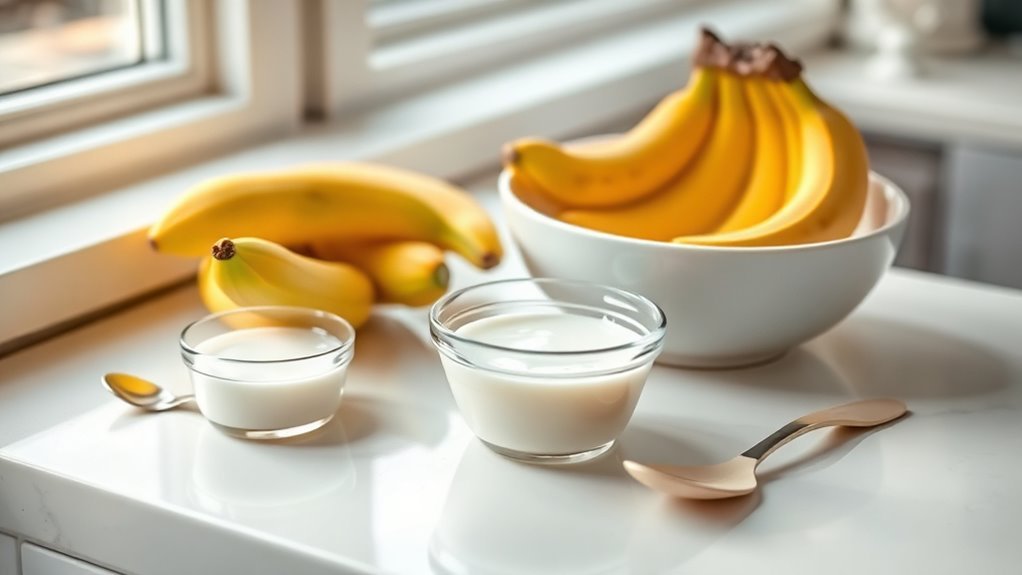
The American Academy of Pediatrics (AAP) and CDC solid-food guidelines recommend introducing complementary foods around 6 months of age once your baby can sit upright with support, hold their head steady, bring objects toward their mouth, and swallow soft food without pushing it right back out.
Bananas offer potassium, vitamin B6, and easy-to-digest carbohydrates, but they are low in iron and protein. As your baby’s menu expands, balance sweet fruits with nutrient-dense meals such as iron- and omega-3-rich salmon baby food, lentils, or iron-fortified infant cereal.
How to Make Banana Baby Food (Step-by-Step)
- Wash hands, tools, and the banana peel. Rinse the unpeeled banana under cool running water first—the FDA produce safety guide advises washing fruit before peeling so surface bacteria do not transfer to the flesh.
- Peel and inspect. Remove any stringy fibers and discard the fruit if you spot mold, fermentation, or an off odor.
- Mash with a fork (or pulse in a blender). Press the ripe banana against a clean bowl until smooth and free of firm lumps.
- Thin if sticky. Stir in 1 teaspoon at a time of breast milk, prepared infant formula, or safe drinking water until the puree sits softly on a baby spoon.
- Portion into a separate serving dish. Spoon out a small amount for feeding and refrigerate the untouched remainder right away so saliva never contaminates stored portions.
Pro Tip: If you are batch-prepping, store or freeze plain mashed banana first and whisk in breast milk or formula only when serving.
Banana Texture Progression (6 to 12+ Months)
Moving gradually from smooth purees to soft lumps and finger foods builds chewing and swallowing coordination. Because banana is naturally soft yet slightly sticky, occasional gagging can happen early on—always keep your baby upright and supervised.
| Stage / Age | Recommended Texture | Serving Tip |
|---|---|---|
| 6 months+ (Beginners) | Smooth mashed puree (thinned if sticky) or lengthwise spear split into thirds | Pre-load a soft baby spoon or offer a grippable spear; leave a little peel on the bottom handle if slippery |
| 7–9 months | Thicker fork-mashed banana with soft lumps, or lengthwise spears | Roll slippery spears lightly in infant oat cereal or finely ground flax/hemp seeds for grip |
| 9–12 months+ | Soft bite-sized pieces broken from lengthwise thirds | Supports pincer grasp; avoid firm coin-shaped rounds if your baby tends to stuff their mouth |
The NHS guide to choking vs. gagging notes that gagging is noisy and protective, whereas choking is silent and restricts breathing—never put fingers blindly into a baby’s mouth if they gag.
Nutritious Mix-Ins & Ingredients to Avoid
Once your baby has tolerated plain banana, pair it with soft, nutrient-rich foods such as avocado, plain unsweetened pasteurized yogurt, iron-fortified infant oatmeal, cooked pear, or homemade peach baby food. Per CDC infant food safety rules, never add honey before 12 months (infant botulism risk), added sugar, salt, or unpasteurized dairy, and do not replace breast milk or formula with cow’s milk as a main drink before age 1.
Storage, Freezing & Why Banana Puree Turns Brown
Mashed banana browns rapidly when cut cells react with oxygen—a harmless process called enzymatic oxidation (see our closer look at why homemade baby food turns brown). Pressing plastic wrap directly against the surface or freezing immediately slows browning, but color alone does not guarantee safety.
- Refrigerator: Store untouched puree in a clean airtight container at 40°F (4°C) or colder within 2 hours of prep and use within 1 to 2 days, following FoodSafety.gov storage limits.
- Freezer: Freeze 1- to 2-tablespoon portions in a clean covered tray, transfer cubes to a dated freezer bag, and use within 1 to 2 months. Thaw overnight in the refrigerator and use within 24 hours.
- Leftovers: Per FDA infant food handling guidance, always discard any puree remaining in a dish your baby’s spoon has touched.
Warning: Always feed your baby alert, seated upright, and closely supervised. If your baby cannot breathe, cough, or make sound, treat it as a choking emergency and call emergency services immediately.
Key Takeaways
- Start banana around 6 months once readiness signs appear, using a ripe speckled banana mashed smoothly with a fork.
- Advance from smooth puree to thicker fork-mashed textures, lengthwise spears, and bite-sized pieces as oral skills grow.
- Mild browning from oxidation is normal, but refrigerate untouched puree for no more than 1–2 days (or freeze 1–2 months).
- Skip honey (under 12 months), added sugar, and salt, and pair banana with iron-rich foods for balanced nutrition.
Frequently Asked Questions
When Can Babies First Try Banana Baby Food?
Most babies can try mashed banana around 6 months of age once they show developmental readiness signs—sitting upright with support, steady head and neck control, and bringing food to their mouth. Breast milk or infant formula remains their primary nutrition throughout the first year.
Does Banana Need to Be Cooked Before Serving to a Baby?
No. A ripe banana is naturally soft and can be served raw once you wash the peel under running water, peel it, and mash or cut it to match your baby's feeding stage.
Why Does Mashed Banana Turn Brown So Quickly?
Exposing mashed banana to air triggers natural enzymatic oxidation, turning the surface brown within minutes. Mild browning does not mean the puree is spoiled, though you should still refrigerate unused portions promptly and use them within 1 to 2 days.
Can I Freeze Banana Baby Food in Portions?
Yes. Spoon freshly mashed plain banana into a clean ice cube tray or small airtight freezer container, label it with the date, and use it within 1 to 2 months. Thaw in the refrigerator (not on the counter) and stir in breast milk or formula just before serving.
How Do I Tell if Bananas Are Ripe Enough for Baby Food?
Look for a bright yellow peel with light brown speckles and soft, sweet-smelling flesh that mashes effortlessly with a fork. Unripe green bananas are firmer and starchier, making them harder to smooth and tougher for some babies to digest.
What Should I Do if I Suspect a Banana Allergy?
Stop offering banana and contact your pediatrician if you see hives, facial swelling, vomiting, coughing, or wheezing. Seek emergency medical care immediately for trouble breathing, throat swelling, or sudden limpness.
Conclusion
Making homemade banana baby food is as simple as washing, peeling, and mashing a ripe banana to match your baby’s current feeding stage. Serve small portions responsively, balance fruit with iron-rich foods, and follow simple refrigeration and leftover rules to keep every meal safe.
Sources
- American Academy of Pediatrics: Starting Solid Foods
- CDC: When, What, and How to Introduce Solid Foods
- CDC: Foods and Drinks to Avoid or Limit
- FDA: Selecting and Serving Produce Safely
- FoodSafety.gov: Storage Chart for Children Under Five
- NHS: Choking and Gagging on Food
- Solid Starts: How to Serve Bananas to Babies