The BRIC organic baby food market spans certified organic infant cereals, purees, prepared meals, snacks, and infant formulas sold across Brazil, Russia, India, and China. Growth is driven by urban middle-class demand, heightened food-safety scrutiny, and expanding e-commerce, though each country enforces its own organic certification rules and parents still need to evaluate nutrition beyond an organic seal.
Quick Answer
BRIC is a four-country grouping—not a single unified market. Brazil (MAPA SisOrg / ANVISA), Russia (Federal Law No. 280-FZ), India (FSSAI Jaivik Bharat), and China (GB/T 19630-2019 / CNCA) each enforce separate organic labeling standards. Commercial market-size projections vary widely by methodology, and for families, verifiable local certification, iron/protein balance, and dietary variety matter more than premium claims.
What Is the BRIC Organic Baby Food Market?
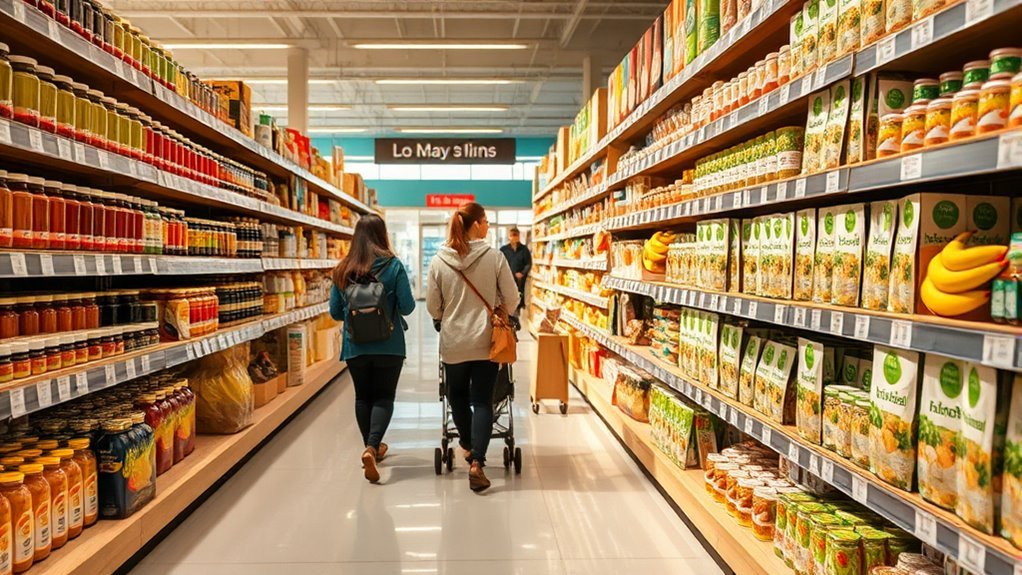
The BRIC organic baby food segment groups certified organic infant and toddler nutrition sold in Brazil, Russia, India, and China. While these four economies share rapid urbanization and growing interest in clean-label infant nutrition, they differ sharply in birth rates, household purchasing power, domestic organic farmland, and import rules.
A key distinction for both buyers and brands is that marketing phrases like “natural,” “farm-fresh,” or “no artificial colors” do not equal organic certification. To be sold legally as organic in any BRIC country, a baby food item must meet that country’s statutory organic standard—and a brand that sells one certified organic puree may still sell conventional products in the same aisle.
Key Market Drivers & Structural Barriers
Across Brazil, Russia, India, and China, demand for organic baby food is shaped by four main forces alongside persistent cost and compliance hurdles:
| Market Factor | Growth Driver | Key Limitation / Barrier |
|---|---|---|
| Food-Safety Trust | Parents scrutinize pesticide residues, additives, and traceability after past conventional food-safety scares | Label fraud concerns and unfamiliar foreign seals can confuse shoppers |
| Urbanization & Dual-Income Households | Busy urban families buy ready-to-serve pouches, jars, and fortified cereals | Many households still prefer fresh home-cooked meals for cost and cultural familiarity |
| Modern Retail & E-Commerce | Supermarkets, pharmacies, and online marketplaces expand access to niche organic SKUs | Cold-chain, storage quality, and counterfeit risks require vetted sellers |
| Certification & Pricing | National organic laws raise baseline credibility for compliant brands | Audit fees, testing, and import tariffs push shelf prices well above conventional options |
A note on market-size numbers: No single audited public registry reports combined organic baby food sales across all four BRIC nations. Commercial market-research reports publish modeled forecasts that often disagree sharply because one report may include organic infant formula and cross-border e-commerce while another tracks only domestic jarred purees and dry cereals. Treat headline dollar projections and CAGR estimates as rough directional forecasts rather than verified retail sales totals.
Organic & Infant Food Regulations: Brazil, Russia, India & China
An imported baby food bearing a U.S. or EU organic logo does not automatically satisfy local organic labeling rules in BRIC countries. Manufacturers must comply with both national organic certification and infant-specific food safety laws:
| Country | Organic Framework & Seal | Key Regulatory Details |
|---|---|---|
| Brazil | MAPA / INMETRO — SisOrg seal | Packaged organic retail foods require accredited Brazil SisOrg organic certification; ANVISA sets strict infant formula nutrient, labeling, and microbiological limits |
| Russia | Federal Law No. 280-FZ & GOST 33980-2016 | In force since 2020 (FAOLEX 280-FZ), banning GMOs and synthetic agrochemicals; per Roskachestvo, certified producers appear in the Ministry of Agriculture registry and certification is required for “eco,” “bio,” or “green” labels |
| India | FSSAI — Jaivik Bharat (NPOP & PGS-India) | FSSAI’s Jaivik Bharat portal unifies NPOP and PGS-India organic verification alongside FSSAI infant nutrition standards |
| China | CNCA — GB/T 19630-2019 | Both domestic and imported organic foods must meet GB/T 19630-2019 through CNCA-approved bodies with traceable organic codes and strict documentation |
Parent Buying Checklist: What Matters Beyond the Organic Label
Organic standards restrict synthetic pesticides and GMOs, which can reduce certain chemical residues. However, the American Academy of Pediatrics notes that organic foods have not been proven more nutritious than conventional foods—and homemade options like simple banana baby food can deliver fresh nutrition at a fraction of the price.
- Verify the local organic seal and code. Look for the official national mark (SisOrg, Russian organic sign, Jaivik Bharat, or China Organic code) rather than unverified front-of-pack buzzwords.
- Prioritize iron, protein, and low added sugar. Many fruit-heavy organic pouches are low in iron—check nutrition panels carefully and review why iron is essential in baby food after 6 months.
- Rotate grains and root vegetables. Organic crops still absorb trace heavy metals from soil; read our guide on minimizing heavy-metal exposure in baby foods and serve a varied menu.
- Match texture and age to readiness. Complementary foods generally start around 6 months alongside breast milk or formula, progressing from smooth purees to soft mashed and finger foods.
- Inspect seals, storage, and cost per serving. Compare net weight and servings per pack rather than jar/pouch price alone, and buy from reputable retailers with reliable storage.
Warning: Certified organic baby food is not automatically free of lead, arsenic, or cadmium. The U.S. FDA Closer to Zero guidance emphasizes that both organic and conventional crops can absorb heavy metals from soil and water—feeding a wide variety of fruits, vegetables, proteins, and grains is the most practical safeguard.
Key Takeaways
- Brazil, Russia, India, and China each enforce distinct national organic seals and infant food safety agencies.
- Commercial market-size and CAGR estimates vary widely by scope and should not be treated as audited retail sales.
- Organic certification can reduce pesticide residues, but does not guarantee superior nutrition or eliminate heavy metals.
- Parents get the most value by checking local certification marks, iron/protein balance, added sugars, and dietary variety.
Frequently Asked Questions
How Do BRIC Countries Differ in Organic Baby Food Regulations?
Each country enforces its own organic certification and labeling system: Brazil uses MAPA's SisOrg seal (with ANVISA overseeing infant food safety), Russia enforces Federal Law No. 280-FZ and GOST 33980-2016, India requires FSSAI's Jaivik Bharat mark (NPOP or PGS-India), and China mandates GB/T 19630-2019 certification supervised by CNCA.
Why Do Published BRIC Organic Baby Food Market Size Forecasts Disagree?
There is no single audited public sales total covering organic baby food across Brazil, Russia, India, and China. Commercial research firms publish modeled estimates that vary widely depending on whether they include organic infant formula, cereals, snacks, and informal or cross-border e-commerce channels.
Is Organic Baby Food Automatically Healthier or Free of Heavy Metals?
No. While certified organic farming restricts synthetic pesticides, the American Academy of Pediatrics notes organic foods have not been shown to be more nutritious than conventional foods, and the FDA notes organic crops can still absorb heavy metals like lead, arsenic, and cadmium from soil.
Are BRIC Organic Baby Foods Mostly Imported or Locally Made?
Both domestic and imported products compete across all four markets. Imported European or international brands often target premium urban buyers, while domestic producers adapt flavors to local diets and avoid import duties—check each package for both origin and local certification.
What Should Parents Check Before Buying Organic Baby Food?
Verify the national organic certification seal rather than vague words like natural, check the ingredient list for added sugars or excess sodium, confirm iron and protein content for your baby's stage, inspect seals and expiry dates, and compare cost per serving.
Conclusion
The BRIC organic baby food market reflects growing demand for transparent, clean-label infant nutrition across four very different regulatory systems. Whether you are evaluating market trends or shopping for your own baby, look past unverified forecasts and vague “natural” claims—focus on recognized national organic seals, age-appropriate textures, iron-rich variety, and realistic value per serving.
Sources
- QIMA: Brazil Organic Certification (MAPA / SisOrg)
- Food Compliance International: ANVISA Updates Infant Formula Regulations
- FAOLEX: Russian Federation Federal Law No. 280-FZ on Organic Production
- Interfax / Roskachestvo: Russian Organic Producer Registry and Labeling Rules
- FSSAI: Jaivik Bharat Organic Integrity Database (NPOP & PGS-India)
- China Briefing: China’s Organic Product Certification Rules (GB/T 19630-2019 & CNCA)
- American Academy of Pediatrics: Food Safety and Organic Foods
- U.S. FDA: Closer to Zero — Reducing Childhood Exposure to Heavy Metals